Why did ski manufacturers start using carbon fiber?
Traditional skis are typically constructed using a wood core, fiberglass, metal, and other composite materials.
As the sport of skiing evolves toward greater specialization and higher performance, skis are subject to increasingly stringent requirements for light weight, stiffness, elastic response, and maneuverability.
Carbon fiber is ideally suited to meet these requirements.
Lighter: Reduced weight for greater agility during exercise
Carbon fiber has high specific strength and specific modulus, which helps achieve a lightweight design for skis while meeting structural performance requirements.
For skiers, optimizing the weight of the skis helps reduce the burden of carrying them and during use, and also improves the skis’ maneuverability.
Better Bounce: Optimized Rebound and Energy Transfer
Ski boards undergo a certain degree of flex when turning, loading into a turn, and unloading.
By carefully designing the layup direction and structure of the carbon fiber, it is possible to adjust the ski board’s flex stiffness and elastic response, allowing it to better recover from deformation when under load.
This helps improve the ski board’s responsiveness and performance.
More Stable: Enhanced Structural Rigidity and Torsional Resistance
During high-speed gliding and consecutive turns, skis are subjected not only to bending loads but also to torsional loads.
By arranging carbon fiber in different orientations, it is possible to optimize the ski’s longitudinal stiffness and lateral torsional rigidity.
A well-designed structure helps the ski maintain stability during high-speed movement and improves handling performance during turns.
What goes into making a carbon fiber snowboard?
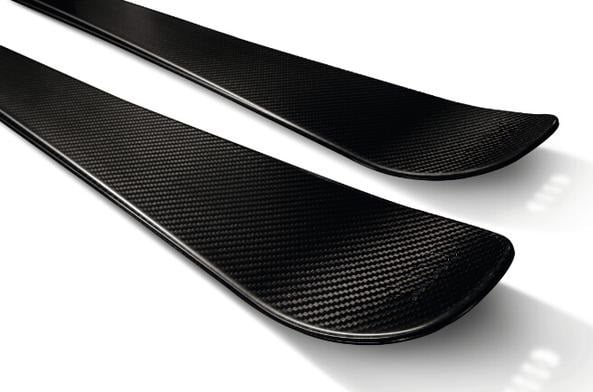
Carbon fiber isn’t simply applied to the surface of a snowboard; rather, it serves as a reinforcing layer in a composite material and is an integral part of the board’s overall structural design.
A typical composite snowboard usually consists of multiple functional layers:
1. Surface layer: Protects the ski’s surface while meeting aesthetic and wear-resistance requirements.
2. Reinforcement layer: Made of carbon fiber fabric, fiberglass fabric, or other composite materials, providing structural strength and stiffness.
3. Core material: Typically made of wood or foam, influencing the ski’s weight, elasticity, and overall structure.
4. Base: Comes into direct contact with the snow and affects gliding performance.
5. Edges: Help the ski grip the snow, enabling turns and control.
Among these, the carbon fiber reinforcement layer is a key component that influences the ski’s structural performance.
By adjusting the type of carbon fiber material, the number of plies, the fiber orientation, and the resin system, skis with different performance characteristics can be designed for various skiing scenarios.
Carbon fiber delivers performance gains, but it also brings material challenges
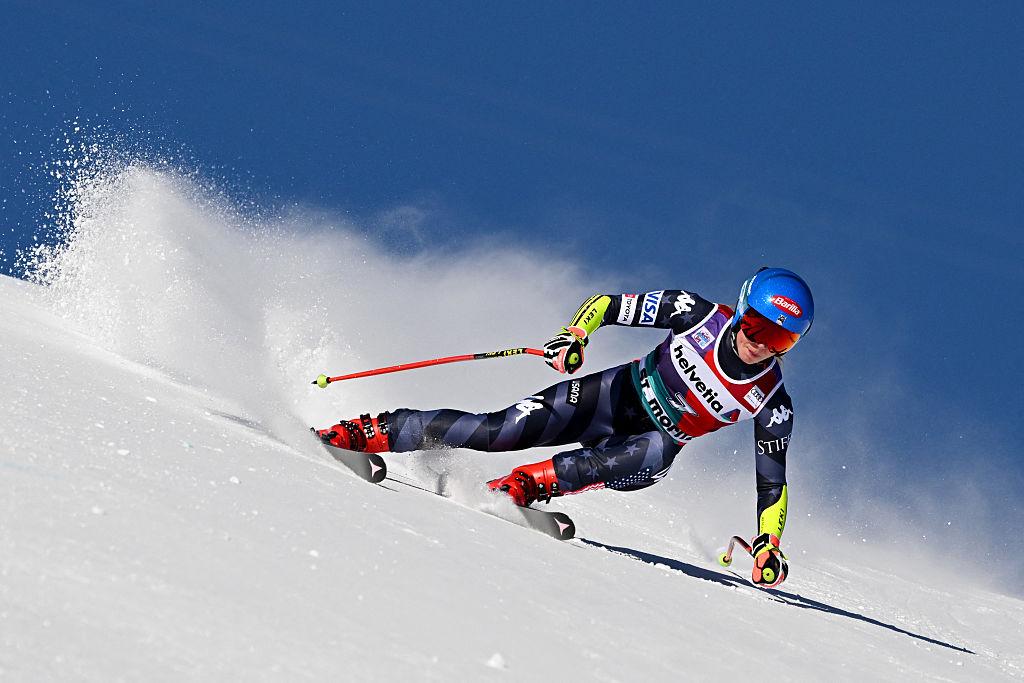
More carbon fiber isn't necessarily better.
A snowboard doesn't just need high strength; it requires a balanced combination of stiffness, elasticity, toughness, weight, and durability.
1. Higher Requirements for Layup Design
Carbon fiber exhibits significant anisotropy, with different fiber orientations corresponding to different mechanical properties.
A 0° layup helps improve longitudinal load-bearing capacity, a 90° layup helps enhance lateral performance, and a ±45° layup helps improve shear and torsional resistance.
Therefore, determining how to arrange the layup appropriately based on the snowboard’s structure and load characteristics is a critical aspect of material design.
2. A Balance Between Stiffness and Flexibility is Needed
Carbon fiber offers high stiffness, but when it comes to skis, stiffer isn’t always better.
If the stiffness is too high, it may affect the board’s flexibility and the skiing experience; if the structural design is improper, it may also increase the risk of localized stress concentration and impact damage.
Therefore, a balance between stiffness and toughness must be achieved through the proper combination of carbon fiber, glass fiber, core materials, and resin systems.
3. Low-Temperature Environments Pose Challenges for Materials
Skiing typically takes place in low-temperature environments.
Materials must not only meet mechanical performance requirements at room temperature but also ensure the toughness of the resin system, interlaminar bonding performance, and structural stability after thermal cycling under low-temperature conditions.
This means that the resin formulation, curing process, and interlaminar bond quality of carbon fiber prepregs are all critical.
4. The Manufacturing Process Determines the Final Performance
Even when high-performance carbon fiber is selected, uneven layup, improper control of resin content, or issues such as bubbles or delamination during curing can affect the final product’s performance.
From raw material selection to cutting, layup, molding, and curing, every step requires strict control.
Carbon Fiber Materials: How Do They Help Improve Ski Equipment?
For snowboard manufacturers, selecting the right carbon fiber material is a crucial part of product performance design.
Different carbon fiber materials can meet different structural requirements:
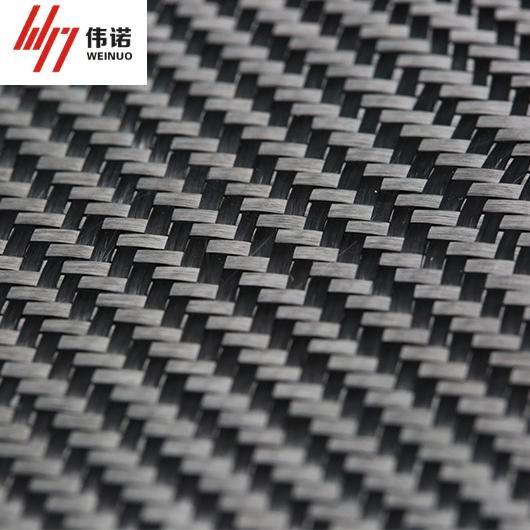
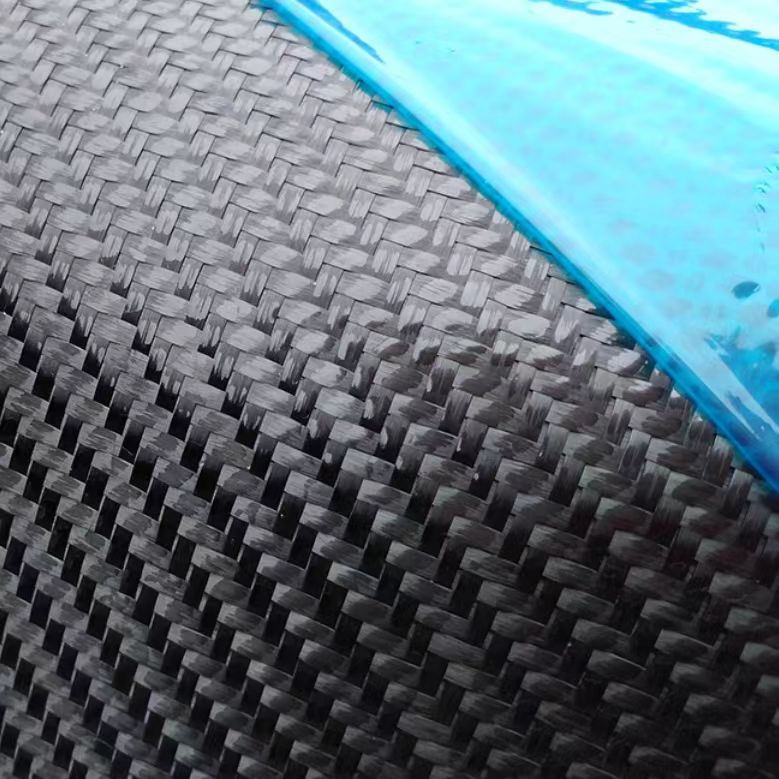
1. Carbon fiber plain weave and twill weave fabrics: Suitable for composite reinforcement layers, balancing fabric stability with structural design requirements.
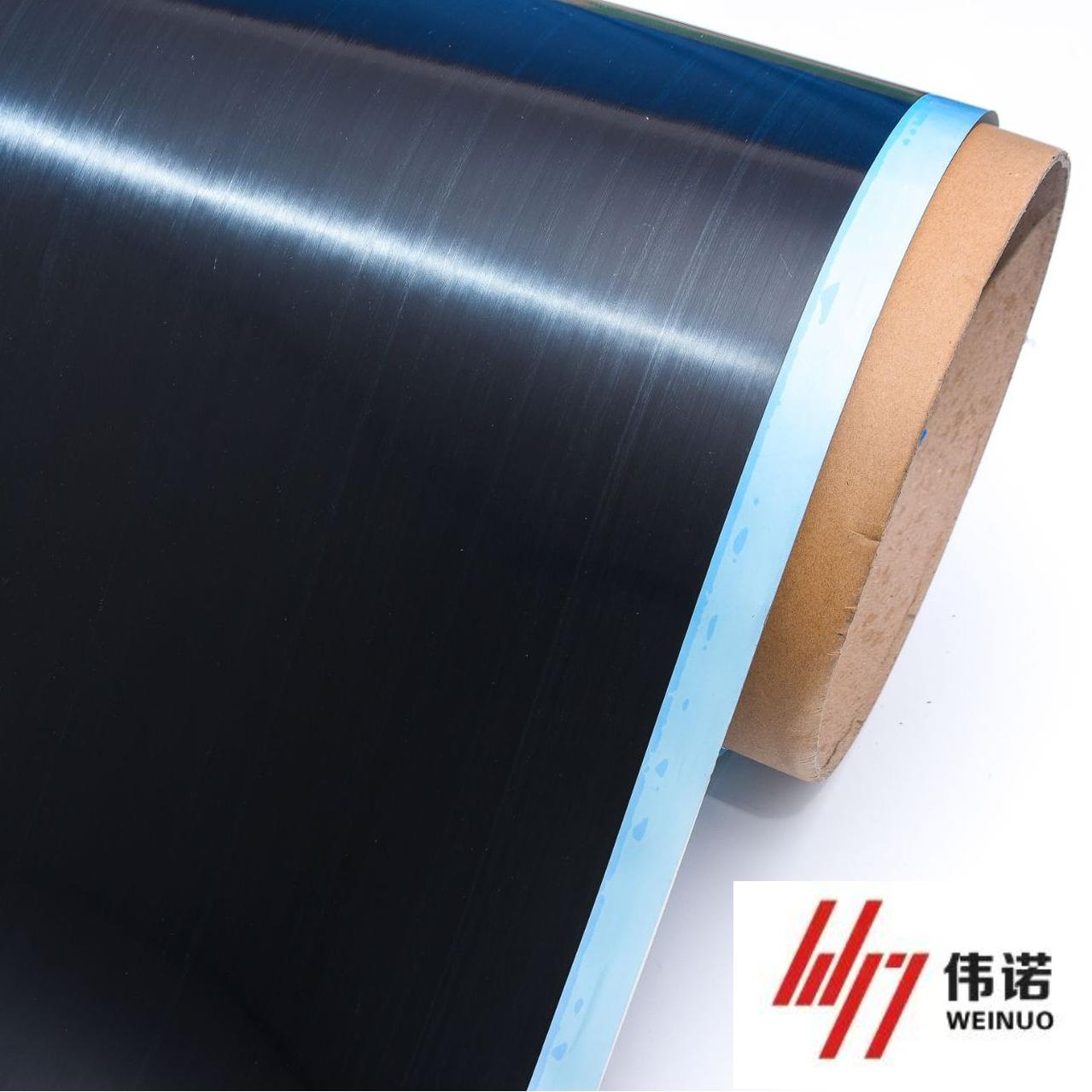
2. Unidirectional carbon fiber prepregs: With fibers aligned in a single direction, these facilitate oriented layup designs based on the direction of stress.
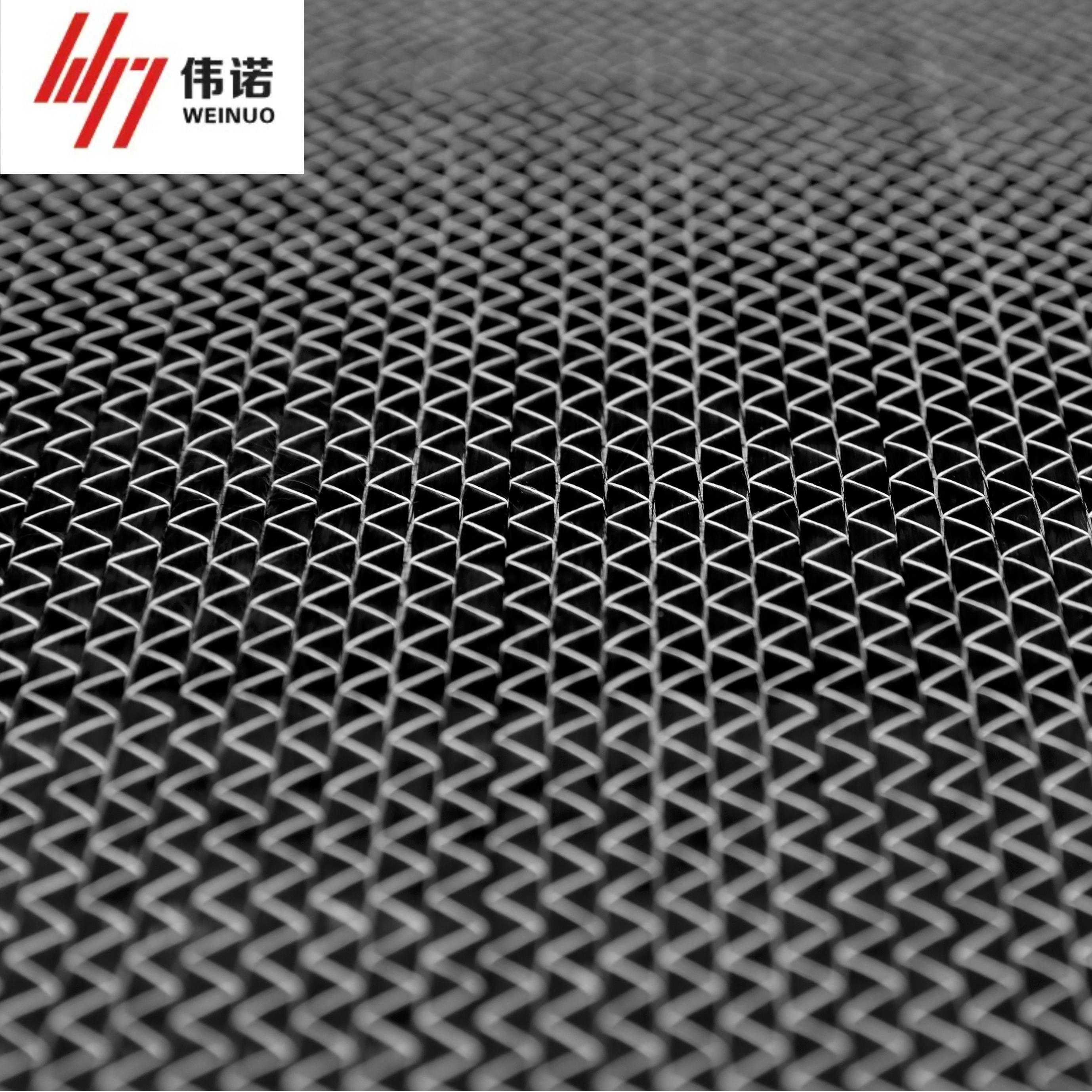
3. Multi-axial carbon fiber fabrics: By combining fibers at different angles, these fabrics provide design options for structures subjected to multi-directional loads.
4. Carbon fiber prepregs: The fibers are pre-impregnated with resin, which helps control the material’s resin content and ensures layup quality.
These materials are not simply interchangeable; rather, they must be combined based on the snowboard’s structure, performance goals, and manufacturing processes.
Starting with materials, we explore new possibilities for sports equipment
As sports equipment continues to evolve toward lighter weight and higher performance, the application of carbon fiber composites is also expanding.
From skis and ski poles to bicycles, pickleball rackets, badminton rackets, and other sports equipment, carbon fiber is opening up new possibilities for product design.
Zhangjiagang Weinuo Composite Materials Co., Ltd. specializes in the field of carbon fiber composites, offering products such as carbon fiber fabrics, unidirectional fabrics, prepregs, multiaxial fabrics, and carbon fiber sheets.
From fiber weaving to prepreg production and subsequent composite processing, Weinuo is committed to providing diverse material options and customized solutions for various application areas.
An excellent snowboard relies not only on sound structural design but also on reliable material support.
Carbon fiber changes more than just the weight of a snowboard; it expands the possibilities for performance design in sports equipment.
In the future, as material technology and manufacturing processes continue to advance, carbon fiber will bring new breakthroughs to even more types of sports equipment.

Copyright © 2026 Zhangjiagang Weinuo Composites Co., Ltd. All rights reserved
 EN