Why are carbon fibre prepregs so sensitive to storage conditions?
Carbon fibre prepregs typically consist of carbon fibre reinforcements and a pre-impregnated resin system. To meet the requirements of subsequent moulding processes, the resin must remain relatively stable during storage whilst exhibiting suitable flow properties and curing characteristics during processing.
This means that prepregs do not retain their original properties indefinitely once production is complete. Changes in the external environment may affect the resin’s reaction process, the material’s moisture content and its processing performance.
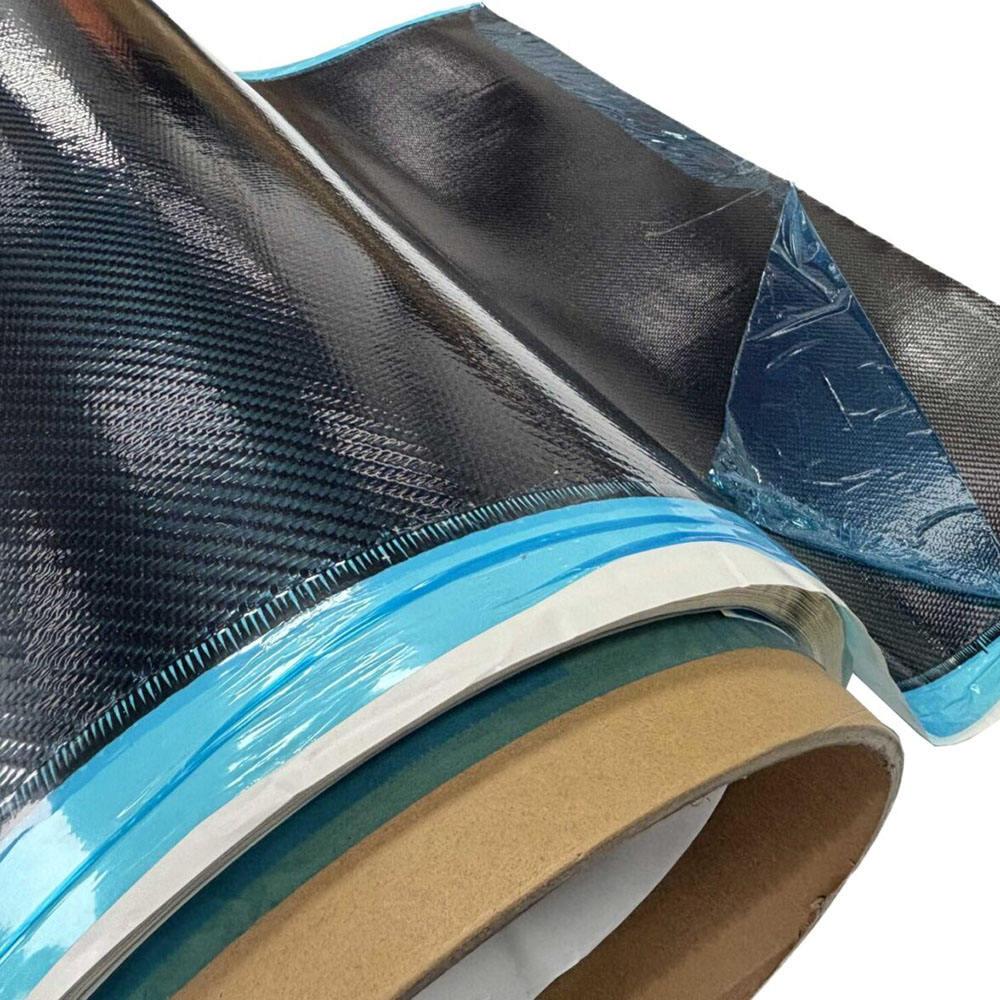
(1) Excessively high temperatures may cause the resin to react prematurely
The resin systems in prepregs typically possess a certain degree of reactivity. Generally, the higher the storage temperature, the faster the resin reacts, and the pot life of the material may consequently be reduced.
If exposed to unsuitable temperatures for an extended period, prepregs may undergo changes in viscosity and flow properties, or even experience premature partial curing.
These changes can affect subsequent lay-up, compaction and curing processes, making it more difficult to control the moulding process.
(2) If moisture gets in, it may affect the final moulding quality
Some prepregs are relatively sensitive to moisture. If the packaging is not properly sealed, or if the material is unsealed before it has fully returned to the appropriate temperature following storage at low temperatures, moisture in the air may condense on the surface of the material.
During the subsequent heating and curing process, this moisture may contribute to the formation of voids or other moulding defects, thereby affecting the surface quality and internal structure of the finished product.
Consequently, maintaining the integrity of the packaging seal, controlling ambient humidity, and correctly carrying out the thawing procedure for materials stored at low temperatures are all essential aspects of prepreg storage management that must not be overlooked.
(3) If stored for too long, the properties of the material may change
Prepregs typically have specified storage and use-by dates. Over time, even if the material shows no obvious changes in appearance, its resin reactivity and processing properties may gradually change.
For example, changes may occur in the material’s viscosity, lay-up properties, resin flow characteristics and curing behaviour.
Consequently, determining whether a prepreg is suitable for use should not be based solely on its appearance; a comprehensive assessment must also take into account the production date, storage records, expiry date and the supplier’s technical specifications.
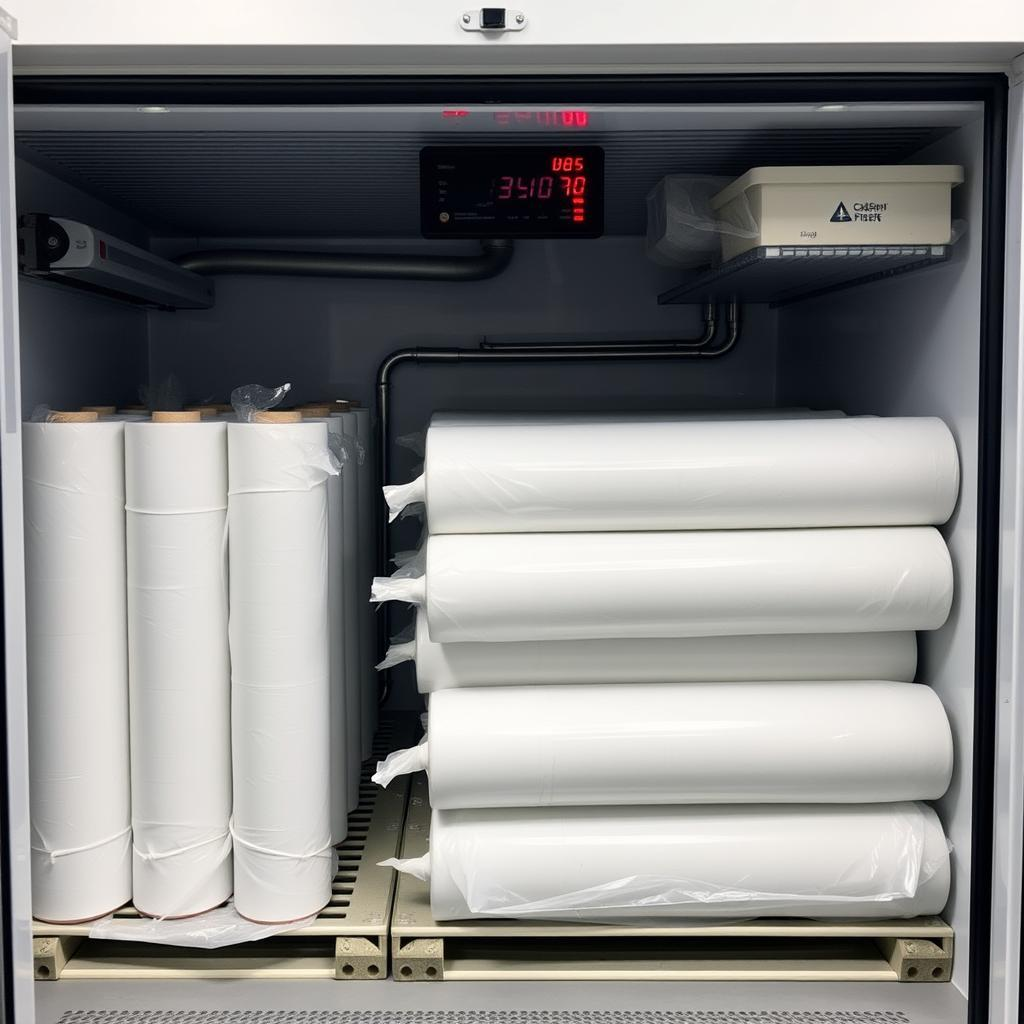
How should carbon fibre prepregs be stored?
The key to effective storage management lies in controlling the temperature, maintaining a tight seal, preventing moisture ingress, and strictly adhering to the relevant storage guidelines for the product.
(1) Strict control of storage temperature
Storage temperature requirements may vary significantly between different resin systems and different types of prepregs.
Prepregs requiring frozen storage should be stored under the specified low-temperature conditions in accordance with the product technical data sheet (TDS) or the supplier’s requirements. Many common epoxy prepregs are stored for long periods at temperatures of approximately -18°C or lower; however, the specific temperature and storage duration must be determined by the requirements of the relevant product.
For materials that have entered their specified service life, care should also be taken to monitor the cumulative exposure time after removal from the frozen environment, to avoid a reduction in the service life due to prolonged exposure to room temperature.
(2) Keep the packaging sealed to prevent moisture ingress.
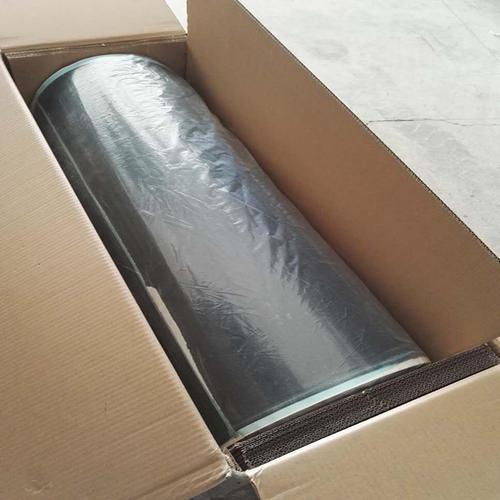
Pre-impregnated materials are typically supplied in barrier packaging to minimise moisture ingress and environmental impact.
During storage, the original packaging should be kept intact as far as possible, and the package should not be opened unnecessarily. For materials that have been opened but not fully used, they should be resealed in accordance with the supplier’s instructions, using the specified barrier packaging where necessary, and clearly labelled.
It should be noted that resealing does not mean the material automatically returns to its original storage condition. For materials that have been opened, the duration of exposure must still be recorded, and they must be managed in accordance with the specifications for the relevant product.
(3) After removal from a low-temperature environment, allow the material to return to room temperature before opening the packaging.
This is a crucial step in the storage and use of prepregs.
When frozen prepregs are removed from a low-temperature environment, if the packaging is opened immediately, moisture from the warmer air may condense on the surface of the cold material.
The correct procedure is as follows:
1. Keep the material in its original sealed packaging.
2. Allow the material to return to room temperature in accordance with the supplier’s specified time and environmental conditions.
3. Only open the packaging once the material has reached the required temperature.
4. Use the material promptly after opening and keep a record of the exposure time.
Allowing the material to return to room temperature before opening the packaging effectively reduces the risks associated with condensation.
(4) Ensure effective batch management and adhere to the first-in, first-out principle
In addition to temperature and sealing controls, standardised warehousing procedures are equally important.
It is recommended that each roll of prepreg be clearly labelled, recording the product model, batch number, production date, expiry date, date of receipt and storage status.
When issuing materials, adhere to the first-in, first-out principle and prioritise checking materials nearing their expiry date. Materials that have been exposed to abnormal temperatures, have damaged packaging or have incomplete storage records should be assessed first and should not be put directly into production.
What problems can improper storage cause for subsequent production?
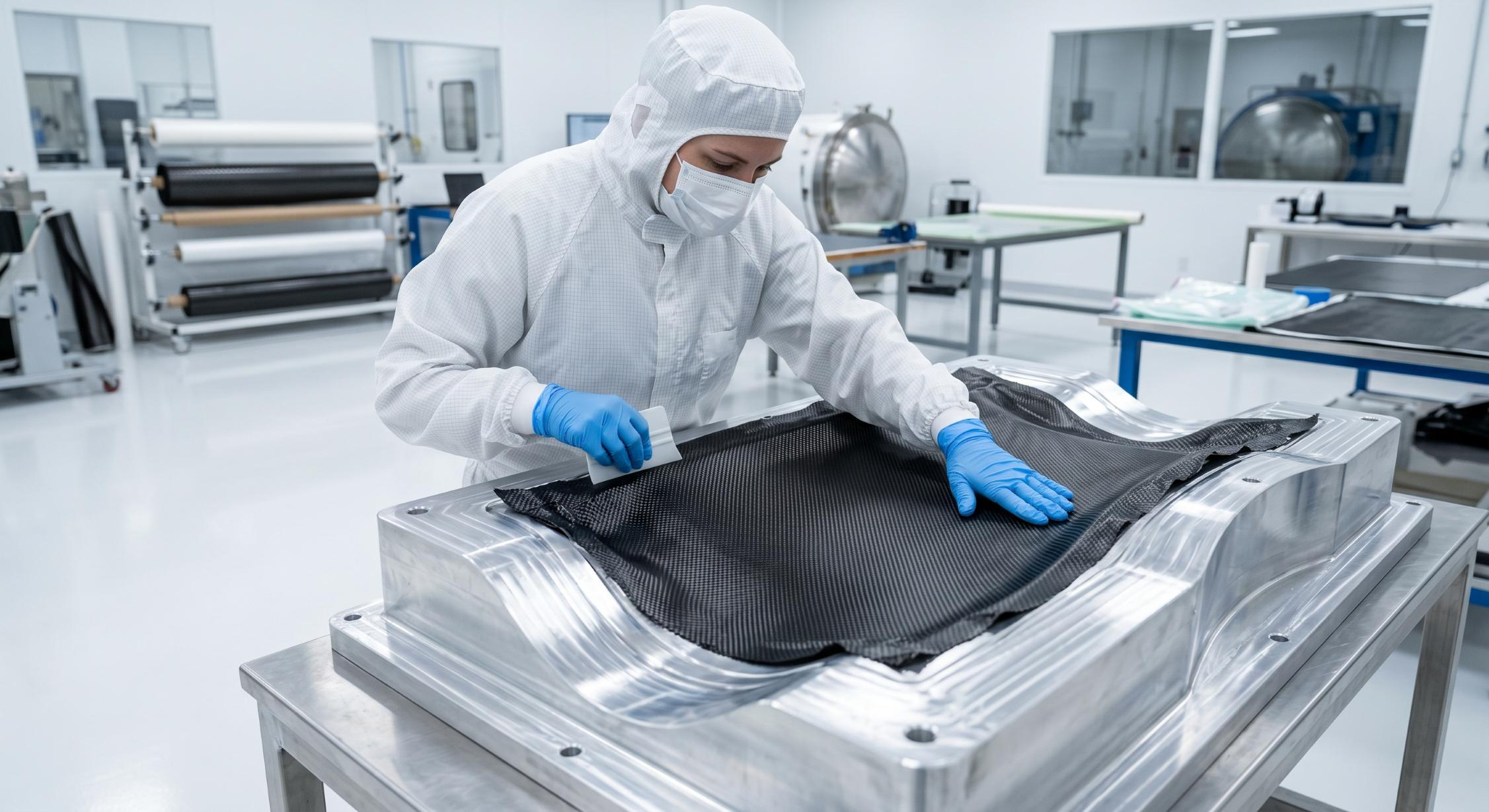
For carbon fibre composite manufacturers, quality management should not be confined solely to the production stage.
From the receipt of raw materials, through production and processing, to the inspection of finished products, packaging, storage and delivery, every stage requires clear management standards.
In the case of carbon fibre prepregs, a stable resin condition, appropriate storage periods and standardised usage procedures collectively form a crucial safeguard for product quality.
At Zhangjiagang Weinuo Composite Materials Co., Ltd., we focus not only on the carbon fibre materials themselves, but also on the quality requirements throughout production, storage and subsequent application. Through standardised management and process control, we strive to provide our customers with more stable and reliable carbon fibre material solutions.
A high-quality prepreg must not only guarantee quality during production but also maintain its integrity throughout storage and use.
After all, truly reliable product quality often lies in the details that are easily overlooked.
Copyright © 2026 Zhangjiagang Weinuo Composites Co., Ltd. All rights reserved
 EN