Why is the direction of the fibres so important?
Carbon fibre possesses excellent specific strength and specific modulus, but its mechanical properties are not uniform in all directions.
In composite materials, the orientation of the fibres directly influences the material’s ability to withstand different loads.
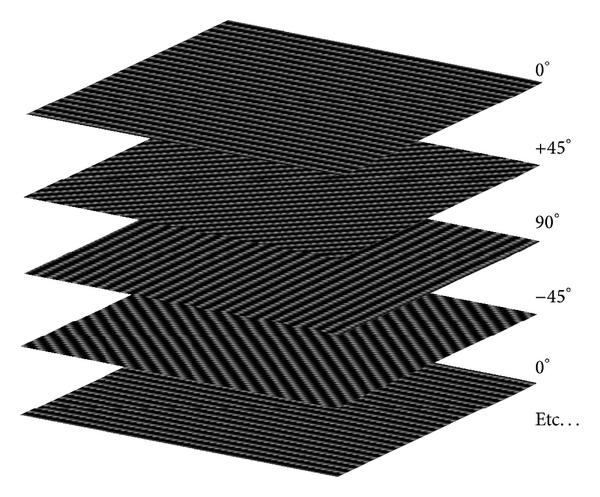
For example, fibres oriented at 0° are typically used primarily to bear tensile loads along the fibre direction; fibres oriented at 90° help to improve transverse load-bearing capacity; whilst fibres oriented at +45° and -45° are often used to withstand shear loads and complex loading conditions.
The combination of fibres oriented in different directions helps composite materials to better adapt to actual operating conditions.
Traditional unidirectional materials require a combination of plies in different orientations to meet multi-directional performance requirements. Multiaxial fabrics, on the other hand, allow fibre layers in multiple orientations to be combined according to design specifications and held together by a warp-knitted or weft-knitted structure.
Consequently, material design is no longer limited to a single orientation; instead, the fibre orientation and number of plies can be flexibly configured according to the product’s load characteristics.
Strength and weight: putting materials where they’re really needed
Lightweighting does not simply mean reducing the amount of material; rather, it involves maximising material utilisation whilst meeting structural performance requirements.
A key advantage of multi-axial fabrics is the ability to tailor the structural design to the specific load characteristics of the product.
For example, in the case of drone arms, marine structural components or other composite parts subjected to complex loads, designers can select appropriate fibre orientations and material combinations based on the primary load directions.
Configuring fibres along the primary load directions helps to capitalise on the high strength and high stiffness of carbon fibre; whilst the judicious placement of fibres in other directions can improve the structure’s overall load-bearing performance.
Compared with simply increasing material thickness, this design approach—based on load requirements—is more effective in controlling material usage whilst meeting performance requirements.
Of course, whether weight reduction can ultimately be achieved requires a comprehensive assessment taking into account the product structure, resin system, lay-up scheme, moulding process and actual test results.
Truly effective weight reduction does not involve reducing the necessary amount of material, but rather optimising the configuration of the material.
Manufacturing efficiency: bringing material design closer to production requirements
For composite manufacturing enterprises, whilst material performance is undoubtedly important, production efficiency, process stability and batch consistency must not be overlooked.
In traditional multi-layer lay-up processes, fibre materials oriented in different directions often need to be cut, positioned and laid separately. For products with a large number of lay-ups and complex structures, manual operations and process management may incur significant time costs.
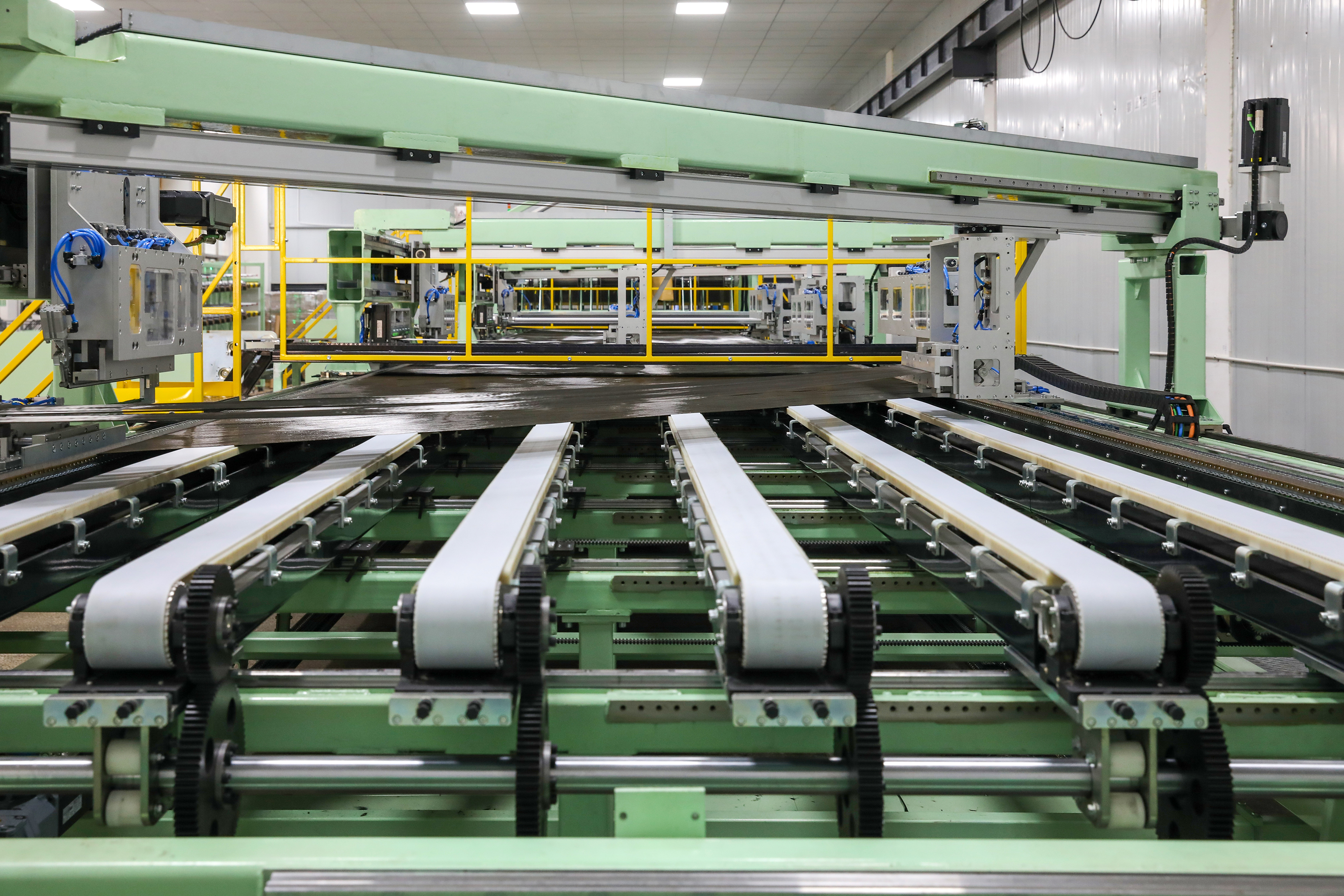
Multi-axial fabrics combine fibre layers in multiple directions according to the design and secure them via a stitch-bonded structure, thereby reducing the need for layer-by-layer positioning and placement under suitable process conditions.
This means that, provided the material design is compatible with the moulding process, multi-axial fabrics can help manufacturers to:
Simplify layering operations: reducing the need for layer-by-layer placement and positioning of individual materials.
Improve production efficiency: ensuring a smoother transition between material preparation and subsequent moulding processes.
Enhance process consistency: pre-fixed fibre layers help maintain the material structure, reducing the risk of fibre orientation shifts during operation.
Facilitate batch production: supporting stable production through standardised material specifications and process protocols.
It should be noted that the use of multi-axial fabrics does not necessarily mean that all products will see a reduction in process steps or cycle times. The actual results also depend on the fabric specifications, product geometry, mould design, cutting methods and moulding processes.
Therefore, material design must not only consider the final performance but must also take manufacturing feasibility into account from the outset.
From Design to Application: How Do Multi-Axis Fabrics Deliver Value?
The design of multi-axial fabrics must take into account the specific operating environment and structural requirements of the product in question.
Design priorities vary across different application areas.
1. Drones and aerospace structural components
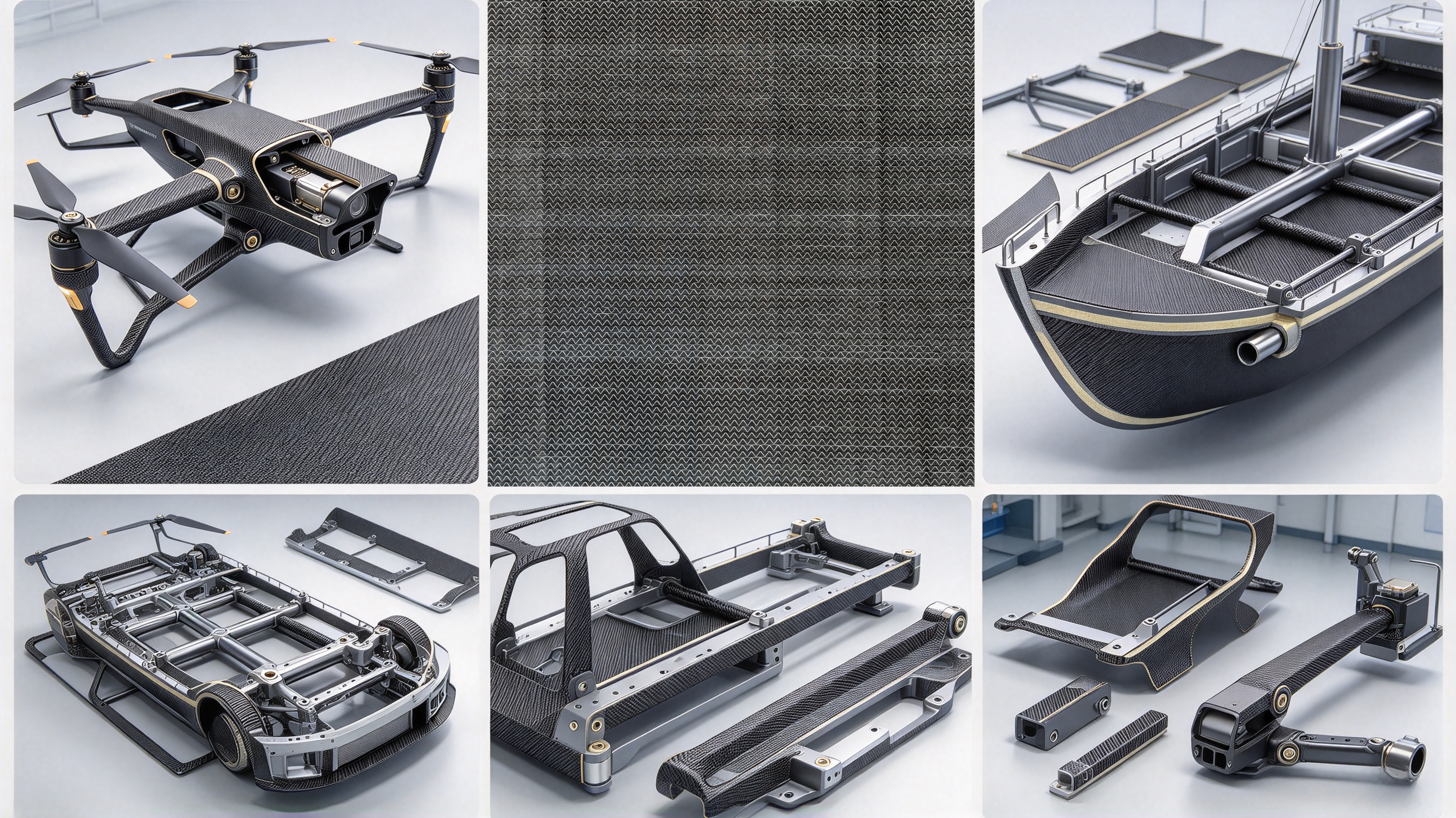
For drone components where lightweight construction and structural efficiency are paramount, fibre orientations can be optimally configured according to the load characteristics of the fuselage, arms and connecting structures, thereby balancing load-bearing capacity with weight control.
2. Marine and offshore composites
Ship structural components may be subjected to a combination of loads, including tension, bending and shear. Multi-axial fabrics offer material design options for structural reinforcement in different directions; specific solutions must be determined in conjunction with the operating environment, durability and moulding requirements.
3. Automotive and Industrial Equipment
For composite components with complex structures and mass production requirements, multi-axial fabrics can be designed according to the product’s performance objectives and production cycle, striking an appropriate balance between structural performance and manufacturing efficiency.
As load conditions, dimensional requirements and moulding methods vary across different products, there is no single fixed design solution for multi-axial fabrics that is suitable for all scenarios. Only by selecting the appropriate type based on actual requirements can the advantages of the material be fully utilised.
Weinuo Composites: Putting Materials Design at the Service of Practical Applications
When it comes to carbon fibre composites, high-quality raw materials are merely the foundation; selecting the appropriate material structure and processing solutions to meet customer requirements is equally important.
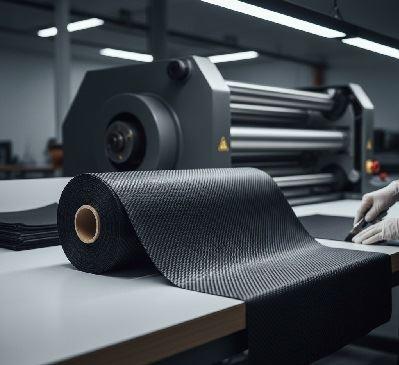
Zhangjiagang Weinuo Composite Materials Co., Ltd. continues to expand its product range to include carbon fibre fabrics, prepregs, unidirectional materials, multi-axial fabrics and carbon fibre panels, offering a selection of materials for various applications.
In the field of multi-axial fabrics, Weinuo operates dedicated production lines capable of designing and manufacturing materials tailored to specific product requirements.
From the combination of fibre orientations and the selection of fabric specifications to the subsequent moulding and application of the composite materials, every stage can influence the performance and manufacturing outcomes of the final product.
Our focus extends beyond the materials themselves to how they meet product requirements, how they integrate into our clients’ production processes, and how they create value for the end application.
Weinuo Composites will continue to monitor developments in the field of multi-axial carbon fibre fabrics and composite applications, and, through the synergy between materials and processes, provide our clients with a wider range of solutions.
Copyright © 2026 Zhangjiagang Weinuo Composites Co., Ltd. All rights reserved
 EN